
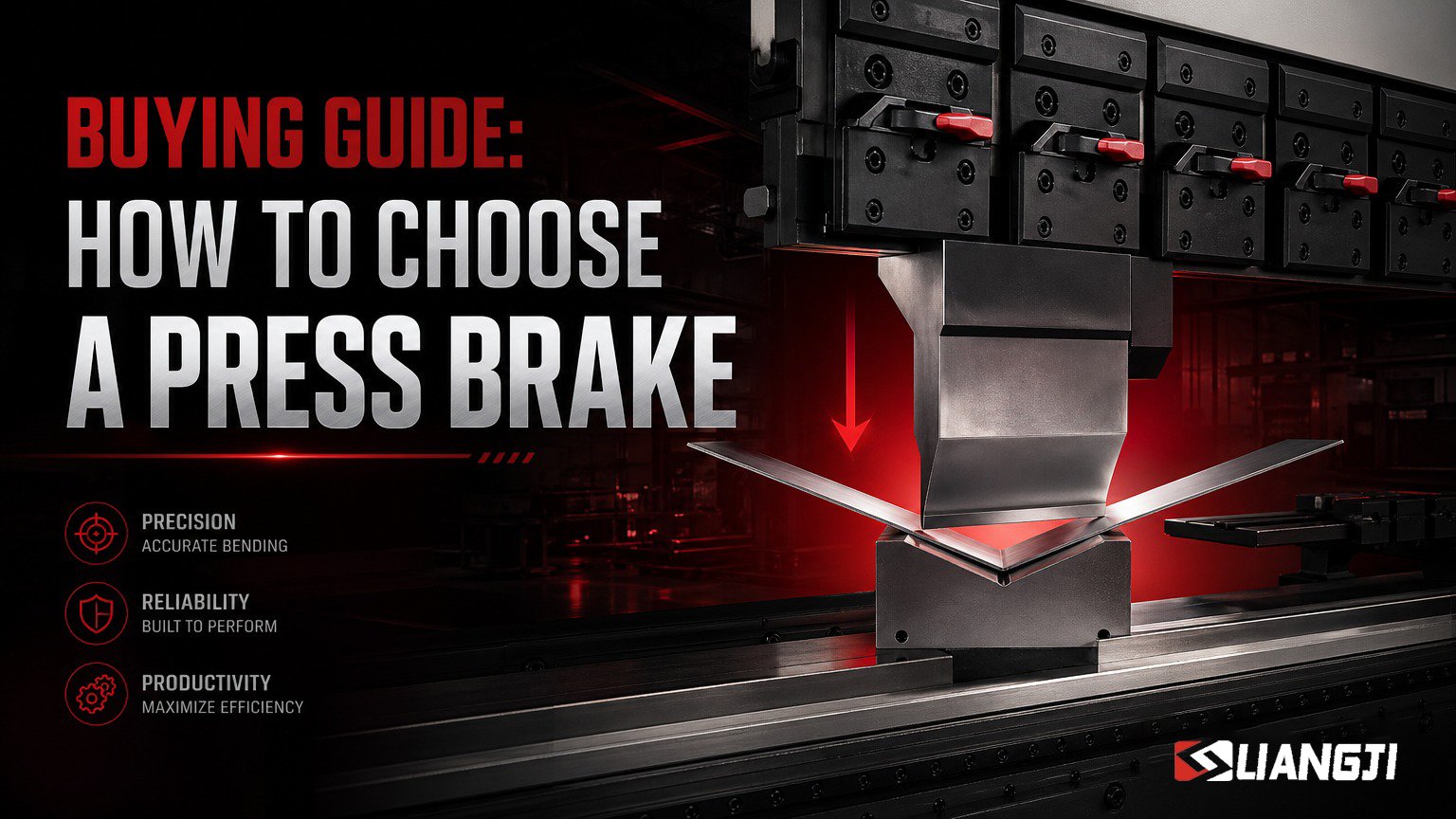
As one of the most critical pieces of equipment in sheet metal fabrication, press brakes are widely used in electrical cabinets, machinery, automotive parts, and architectural structures. Since different production tasks require varying performance, precision, and configurations, it is essential to evaluate your specific processing needs before purchasing.
I. Key Factors to Consider:
1. Material Type and Thickness The material properties and thickness determine the machine’s required tonnage.
- Material Type: Materials like carbon steel, stainless steel, and aluminum have different bending resistance. For instance, stainless steel is harder than carbon steel and requires significantly higher pressure for the same thickness.
- Plate Thickness: This directly dictates the required bending force.
2. Workpiece Dimensions and Bending Length The dimensions of your parts define the machine’s working range.
- The maximum length of your workpiece must be within the machine’s effective working length.
- Consider potential future product upgrades to ensure the machine size doesn’t limit your long-term production capacity.
3. Precision Requirements Different industries have varying tolerances (e.g., automotive parts, electrical enclosures, or high-end stainless steel decorative elements). For high-precision tasks, we recommend:
- Electro-hydraulic Servo Press Brakes
- Advanced CNC Control Systems
- Automatic Crowning (Deflection Compensation) Systems
- High-Precision Heavy-Duty Backgauges These features ensure consistent bending angles and superior repetitive positioning accuracy.
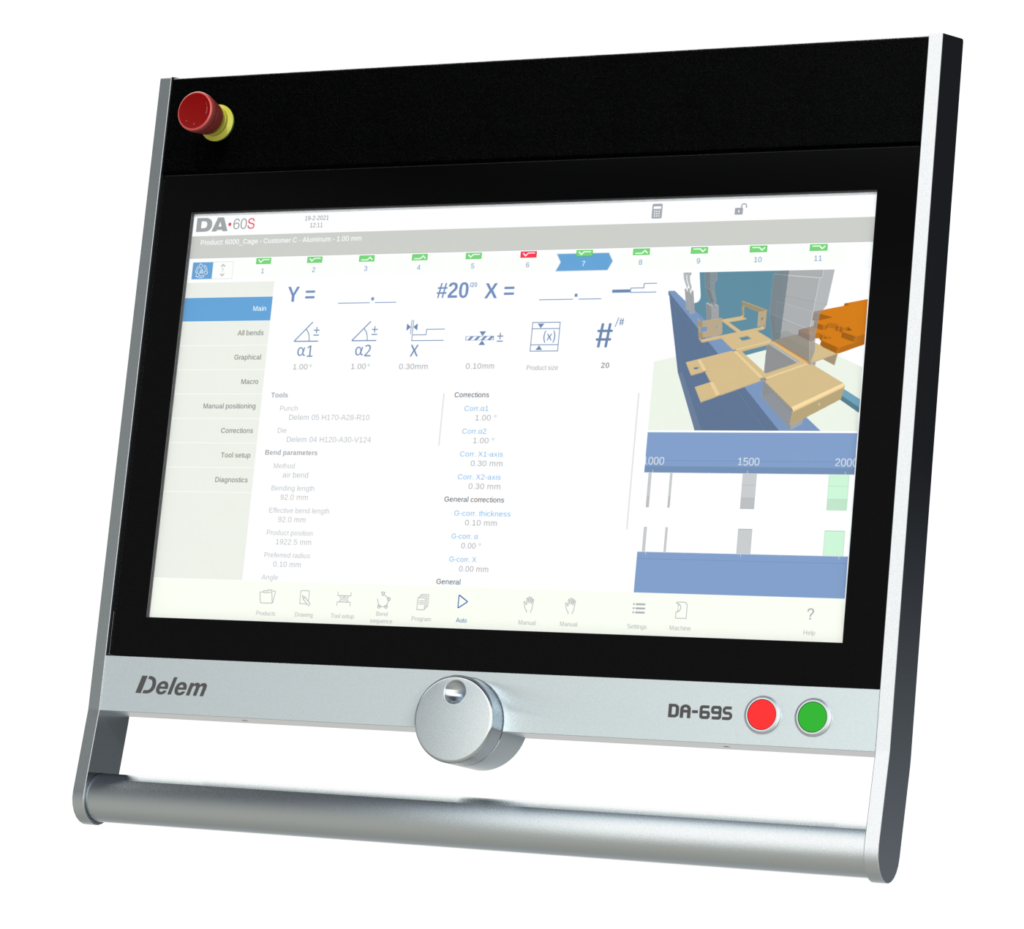
4. CNC Control System and Automation Modern press brakes feature CNC systems that vary in functionality and user experience. Key features include:
- Multi-axis Control: (e.g., Y1, Y2, X, R, Z1, Z2 axes).
- Graphical Programming: For intuitive operation.
- Automatic Angle Correction & Process Databases: To reduce setup time and maximize efficiency.
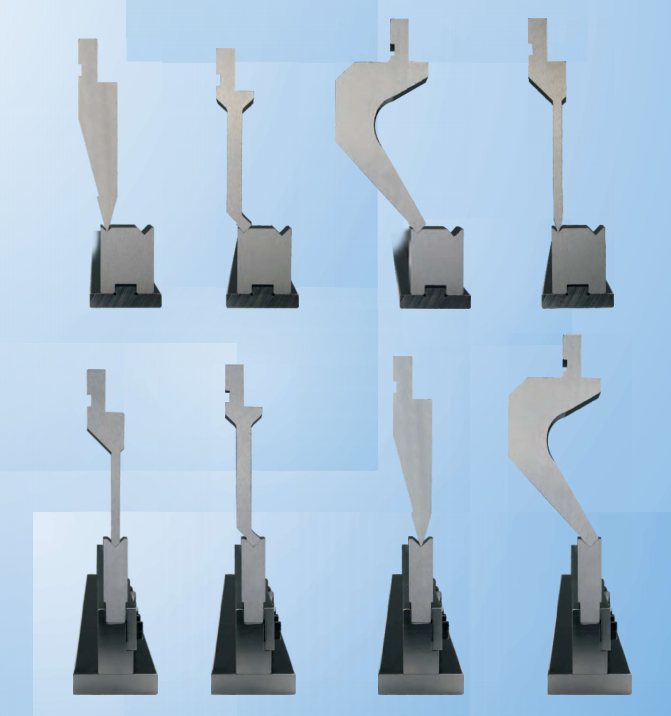
5. Tooling System and Compatibility The tooling system defines the versatility of your machine. Pay attention to:
- Tooling Types: (e.g., Gooseneck punch, acute tools, straight tools).
- Clamping Systems: Support for quick-clamping significantly reduces downtime.
- Interchangeability: Ensure the tooling is easy to replace and procure locally.
II. Bending Force (Tonnage) Calculation Formula
Use the following formula to determine the right tonnage for your production:
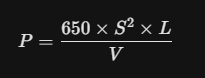
- P = Required Bending Force (kN)
- S = Material Thickness (mm)
- L = Bending Length (m)
- V = Lower Die V-opening (mm)
Pro-tips for Different Materials:
- Aluminum: Tonnage of Carbon Steel ×0.7
- Stainless Steel (304): Tonnage of Carbon Steel ×1.6
- Stainless Steel (201): Tonnage of Carbon Steel ×2.0
- Recommended V-opening: V = 6S -8S(6 to 8 times the material thickness)